Preston’s city centre beats with the footsteps of generations, tracing routes first laid out in the medieval market town. Walk Church Street, Fishergate or Friargate today and you are strolling lines drawn before the loom and the railway, before even Preston’s own guild was founded. The city’s distinctive heart is a living palimpsest, with markets, trading posts and canopies mapped over old lanes. The character of Preston’s high streets is defined as much by survival and civic pride as by what appears in the shop windows.
In Preston, the tradition of market trading goes deep. Granted market rights in the medieval period, the area around the old Market Place became a local pivot for goods and gossip alike. Over centuries, as Preston grew from market town to an industrial and textile centre, the market remained central. It was not just geographically at the heart, but also served as the social heart of Preston life.
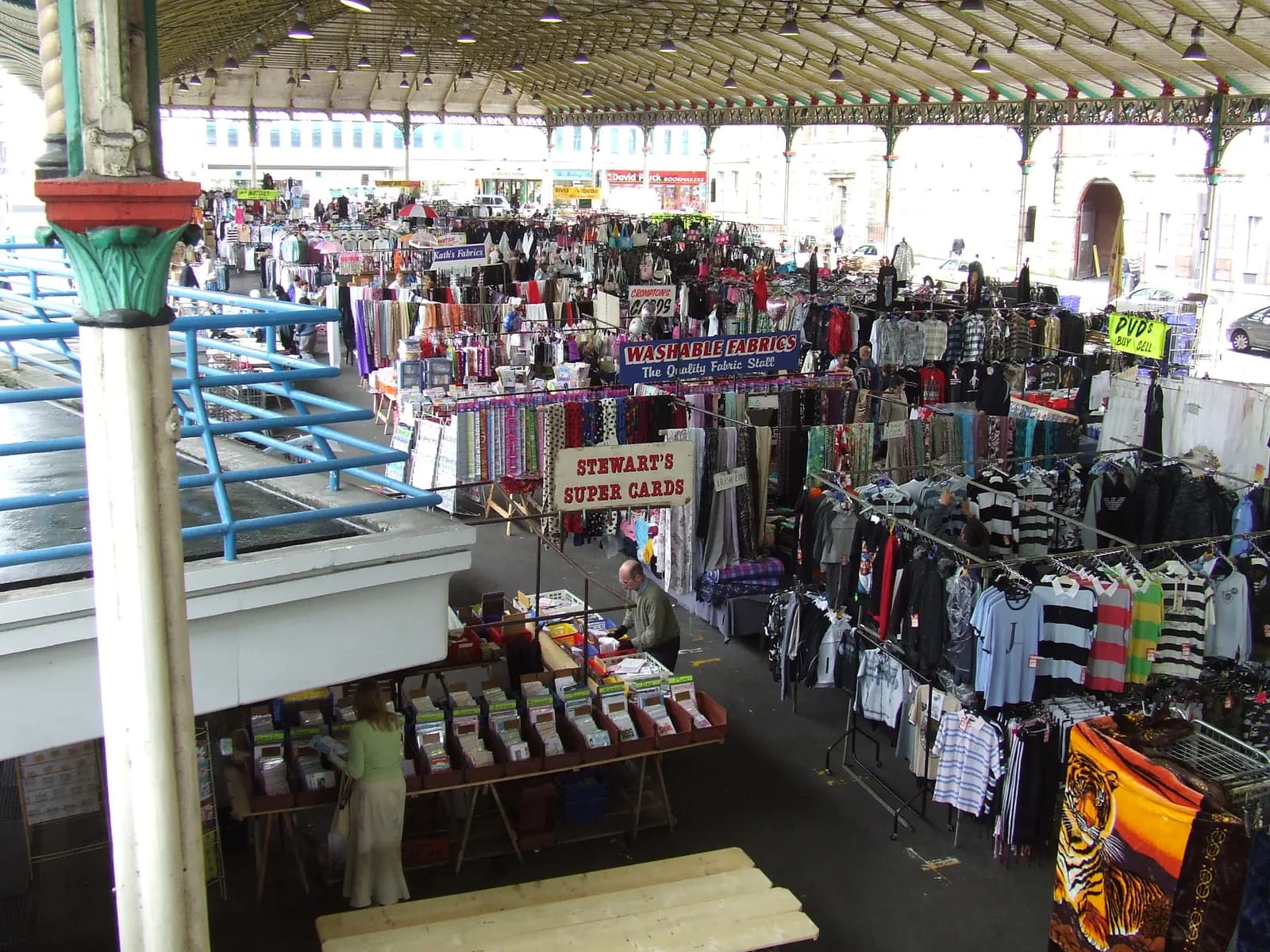
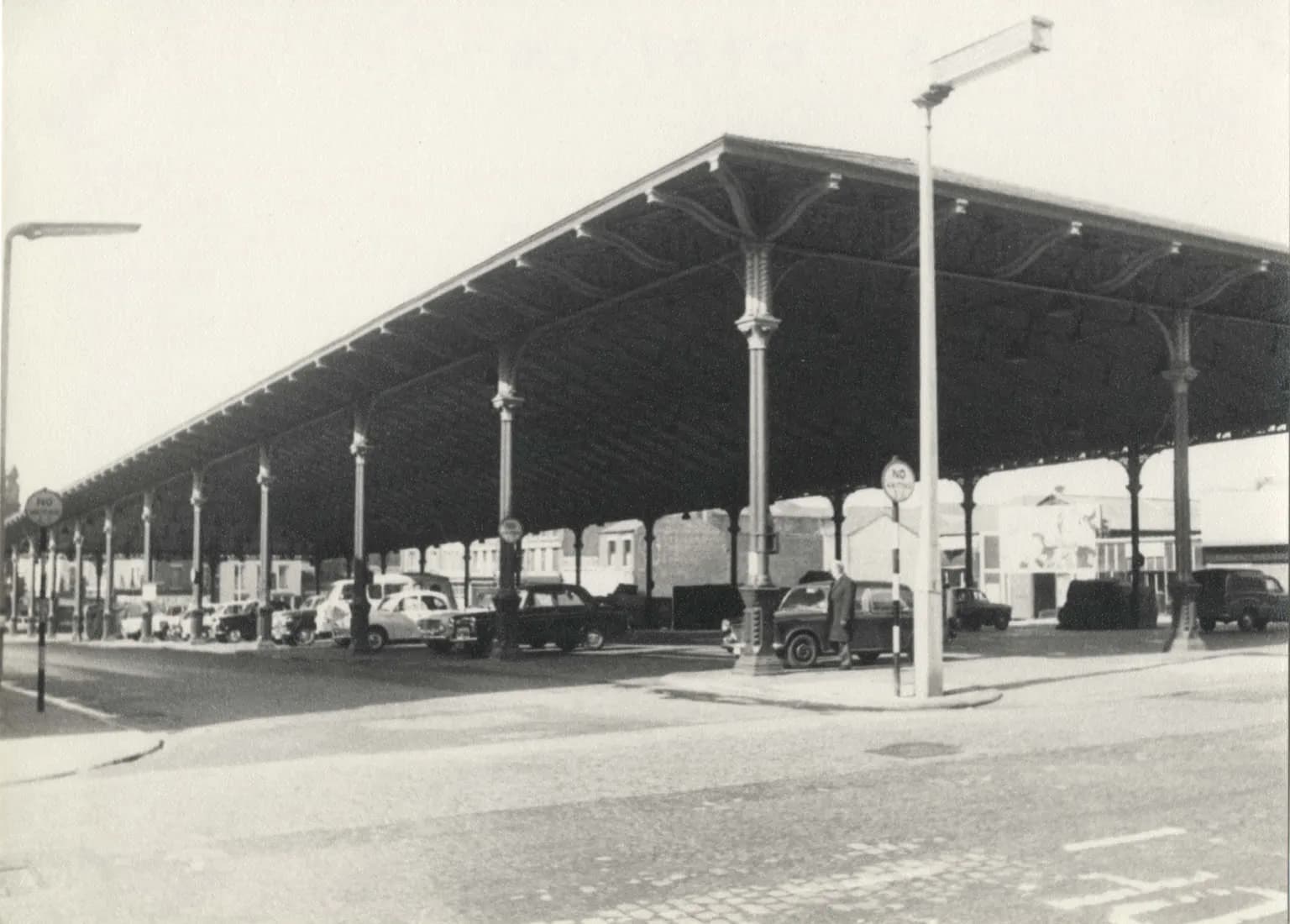
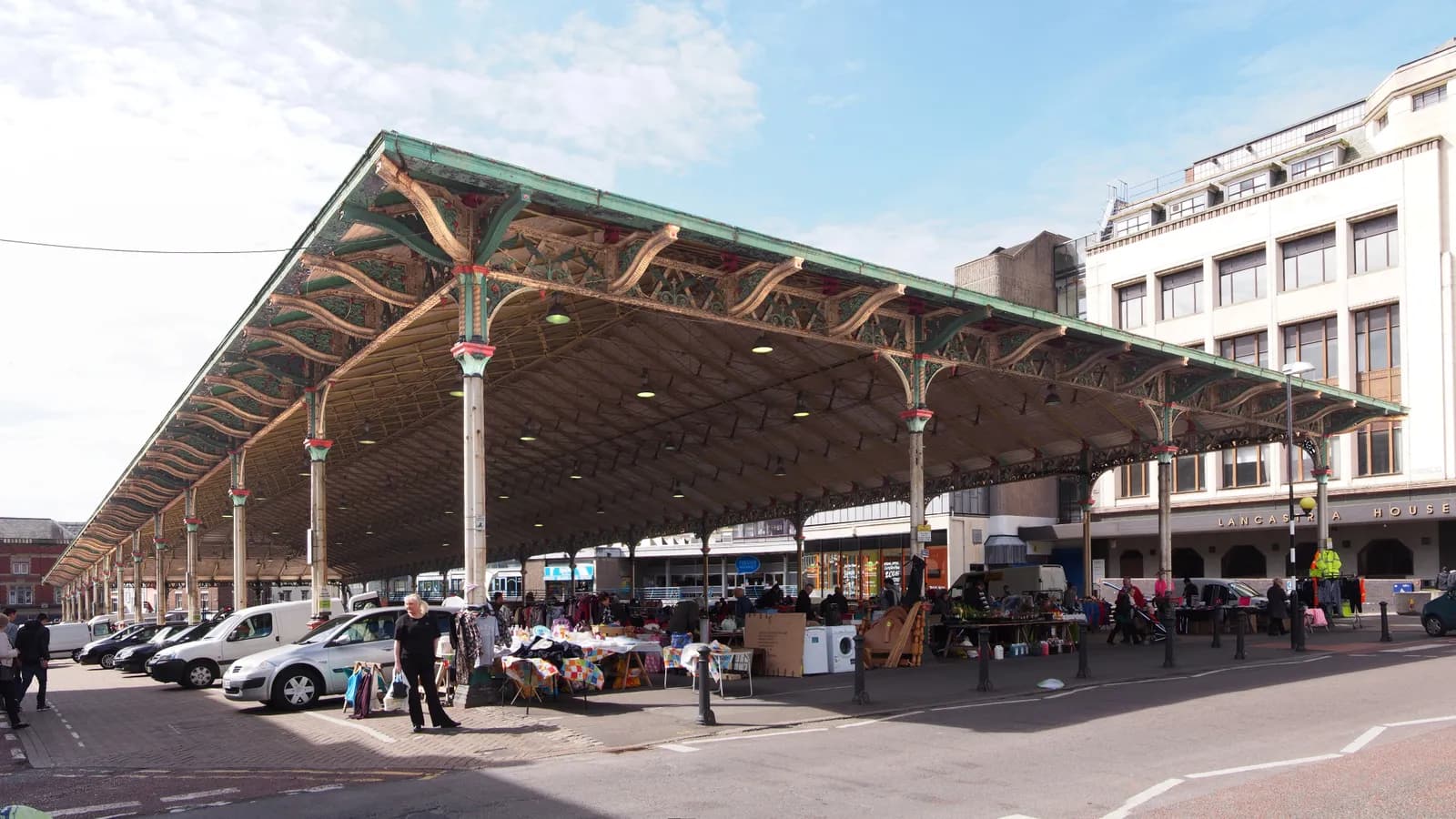
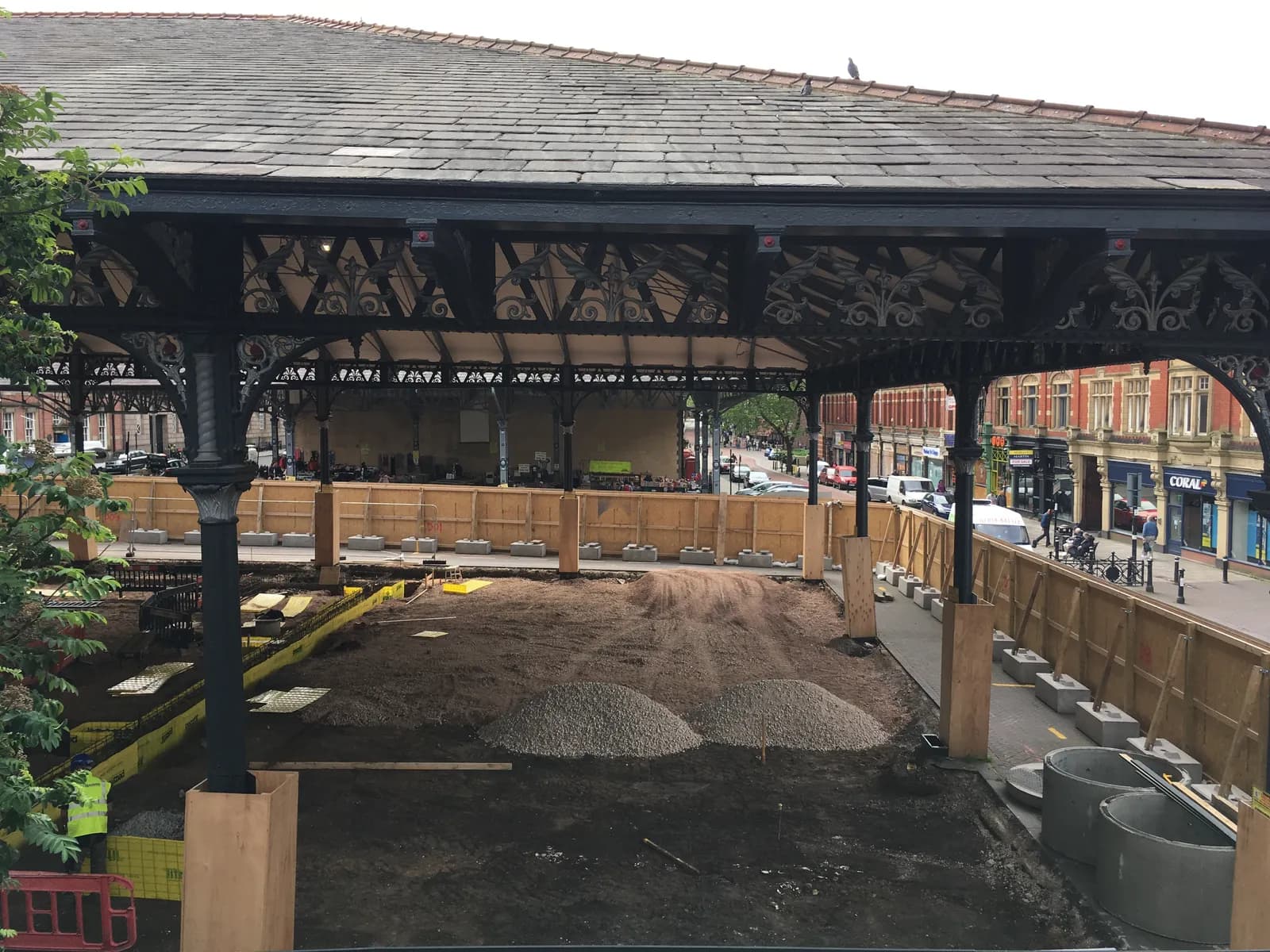
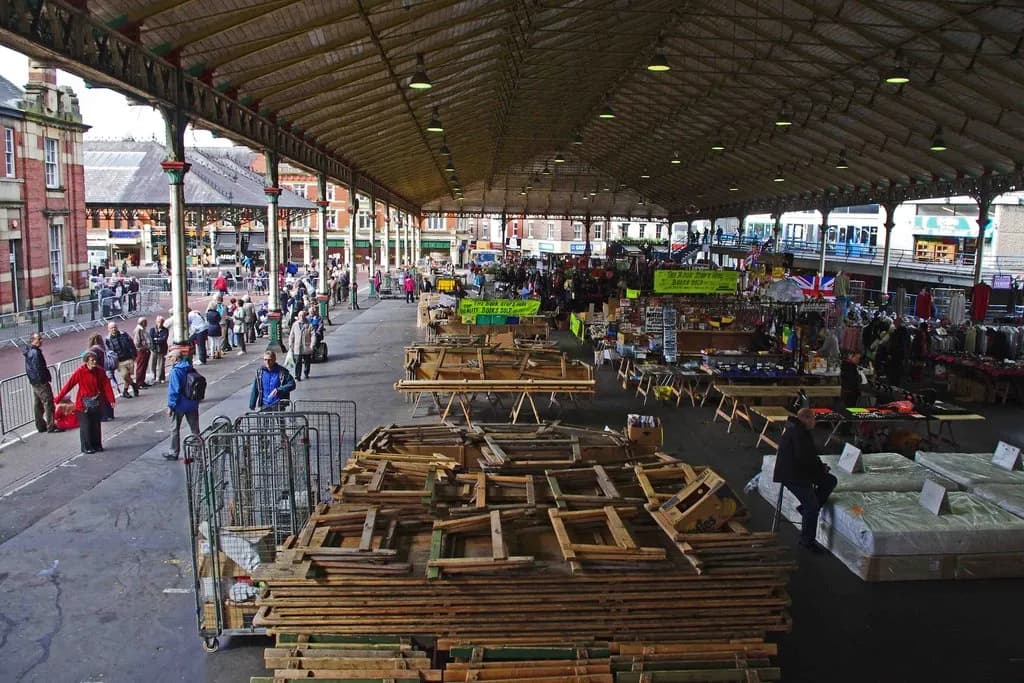
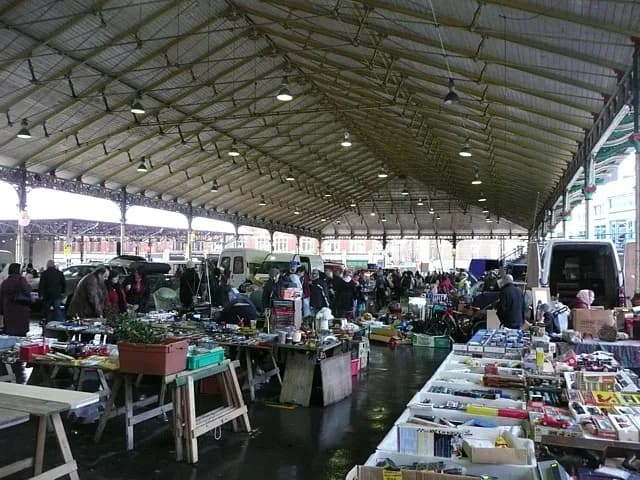
Many in the community fondly recall the bustle around the Covered Market. First proposed in the 1830s and opened finally in the 1870s, it stands as a handsome iron and glass witness to the city’s changing eras. Today, Preston’s markets form a complex centred on and around these old canopies. The Market Hall, Outdoor and Secondhand Markets and the Box Market bring together long-standing traders and new faces. A major redevelopment in 2018 aimed to balance the deep roots of the markets with the need for a contemporary feel, weaving historic structures into formats that appeal to today’s shoppers.
Fishergate and Friargate have always served Preston’s people as places not just to buy and sell, but to meet, share news and discover what is new. These streets have endured the shift from bustling open stalls to modern shopping centres. St George’s Shopping Centre and Fishergate Shopping Centre remain focal points. The closure of Debenhams in 2021, however, was a visible sign of the challenges facing city centres everywhere.
Such changes show that Preston’s high street fortunes are deeply connected with national trends. The rise of online shopping and out-of-town retail has altered habits, but Preston’s response has been to embrace both heritage and reinvention. The Market Hall and Box Market, within the preserved canopies, are an example of a city looking to keep its soul while adapting to fresh demands.
For many Preston residents, the market is more than a place to shop. It is an emblem of community, memory and everyday life. Whether it is catching up with neighbours, supporting local traders or just enjoying a stroll under the iron ribs of the Covered Market, these rituals help keep Preston’s centre resilient.
As the city looks to the future, the answer may lie in this blend of tradition and adaptability. The strength of Preston’s shopping heart has always come from its people, its shared spaces and its ability to change while honouring what came before. If the regular hum of Church Street, Fishergate and Friargate continues, it is because Preston’s story, like its streets, was always built to last.